Search Results for: native%20pollinator

  • Seeds of Knowledge

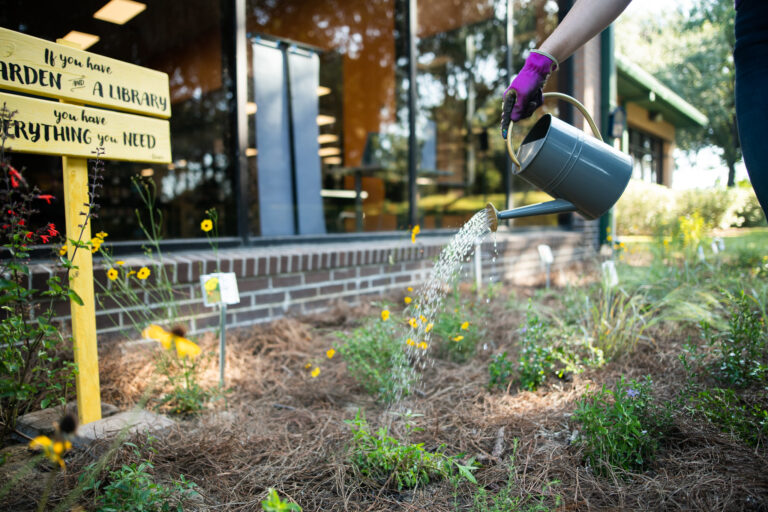
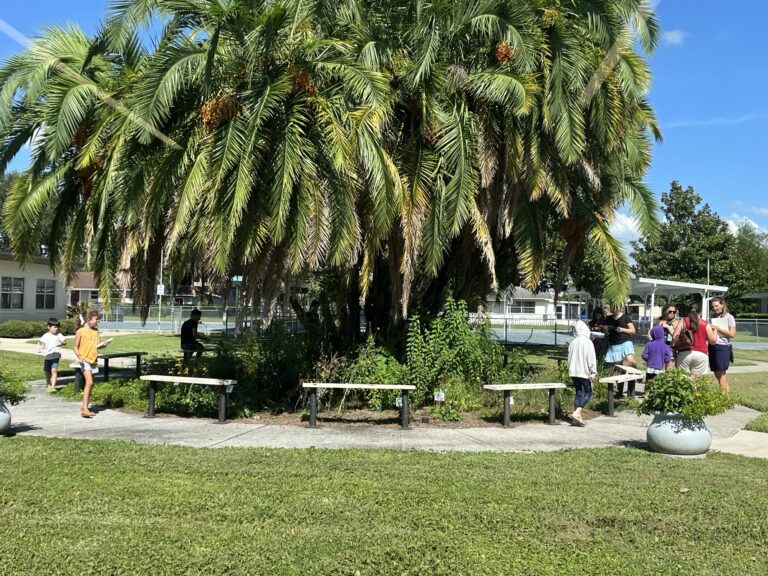
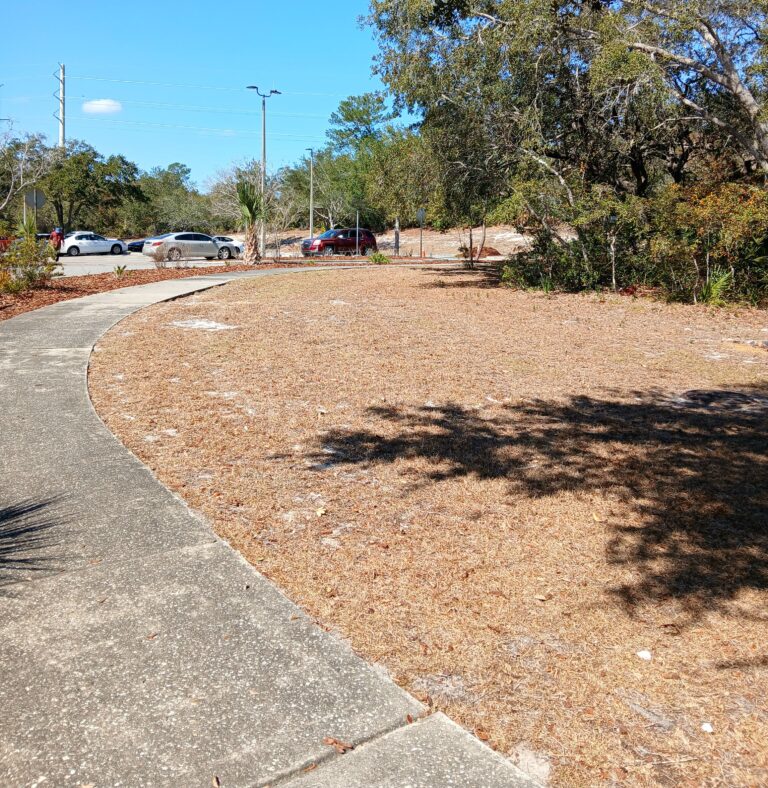
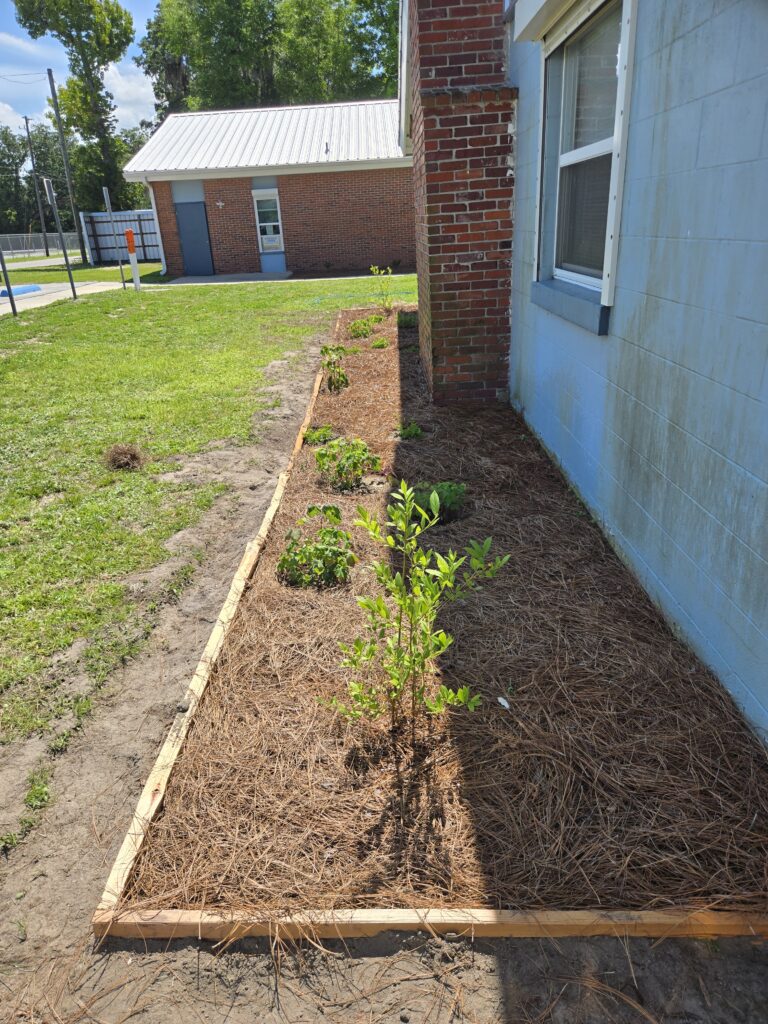
    Seeds of Knowledge Library Demonstration Garden Grant Program Florida libraries: Be part of something wildly new!   Seeds of Knowledge Library Demonstration Garden Grant program is your library’s chance to bring the beauty and importance of Florida’s native plants to life. Create a vibrant, educational demonstration garden that will inspire your community and support local…

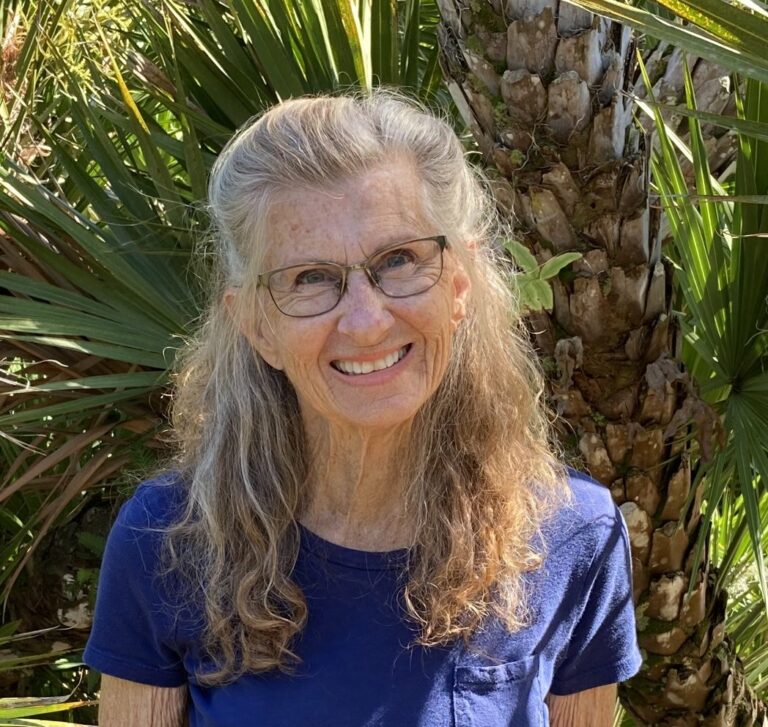
  • Member profile: Phyllis Stopford

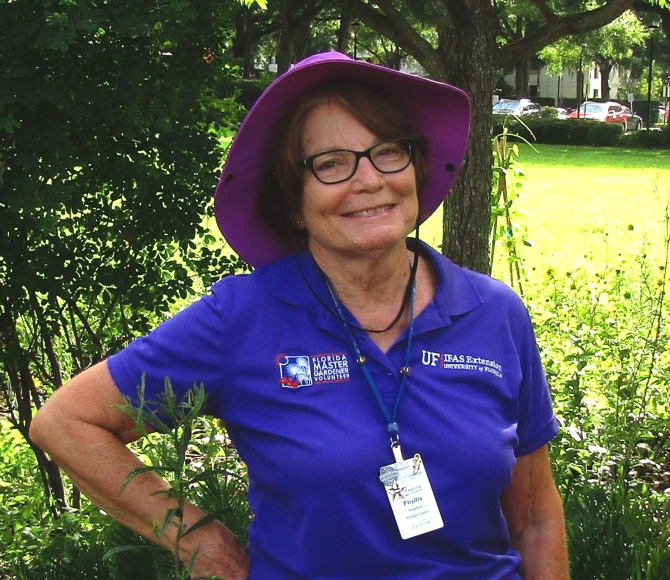
    A Florida Wildflower Foundation member for more than a decade, Phyllis Stopford is devoted to learning about native plants. The more she learns about the beneficial quality of native plants, the more her perspective grows.

  • Education

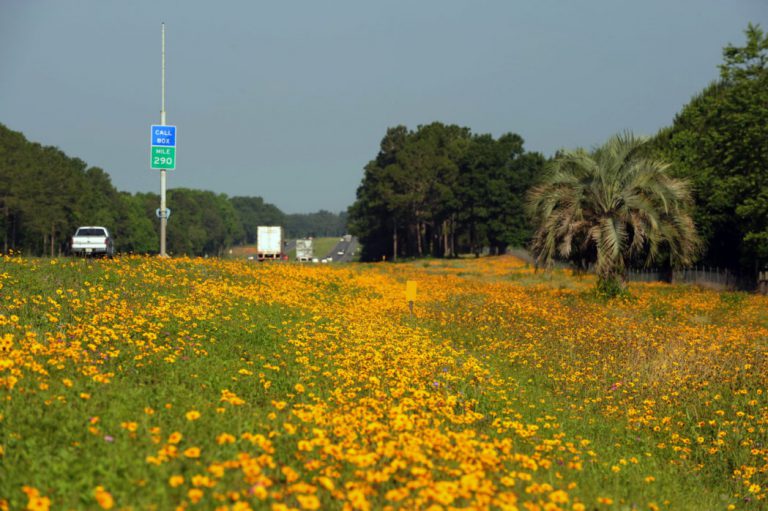
    Education Our publications, events and webinars give people the tools and knowledge they need to build and enjoy urban and roadside native wildflower corridors. Publications Download or view handouts and brochures that will guide you in building your habitat. Click here to order copies for an event or meeting. Upcoming Events Past Webinars View all…

  • Bloom Report: Native grasses shine in the fall

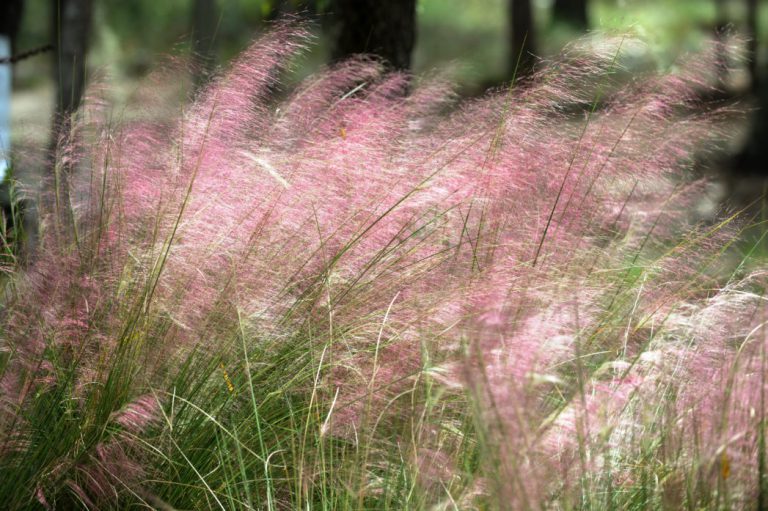
    Florida has many native grasses — and most of our showiest grasses bloom in the fall. The best places to see them are rural areas and roadsides, and in natural lands like national and state forests.

  • Member profile: Neta Villalobos-Bell

    Neta Villalobos-Bell is passionate about native plants and the value they have for wildlife. She delights in tending to her native wildflowers, and is a huge advocate for creating habitat for Florida’s butterflies and bees.

  • Summer is Milkweed Season

    Of the 22 milkweed species that occur in Florida, all but one are native. Our native milkweeds bloom mainly in spring or summer; however, in summer, only four of them are common. Do you know which milkweeds to look for?

  • What is a Florida native wildflower? Our definition

    The Florida Wildflower Foundation defines “Florida native wildflower” as any flowering herbaceous species that grew wild within the state’s natural ecosystems in the 1560s when Florida’s first botanical records were created.