Protecting Pollinators

Know your native pollinators

“Know your native pollinators” is a series of articles that will help you identify and appreciate Florida’s varied pollinators, including bees, wasps, butterflies, moths, beetles, flies, birds and bats.
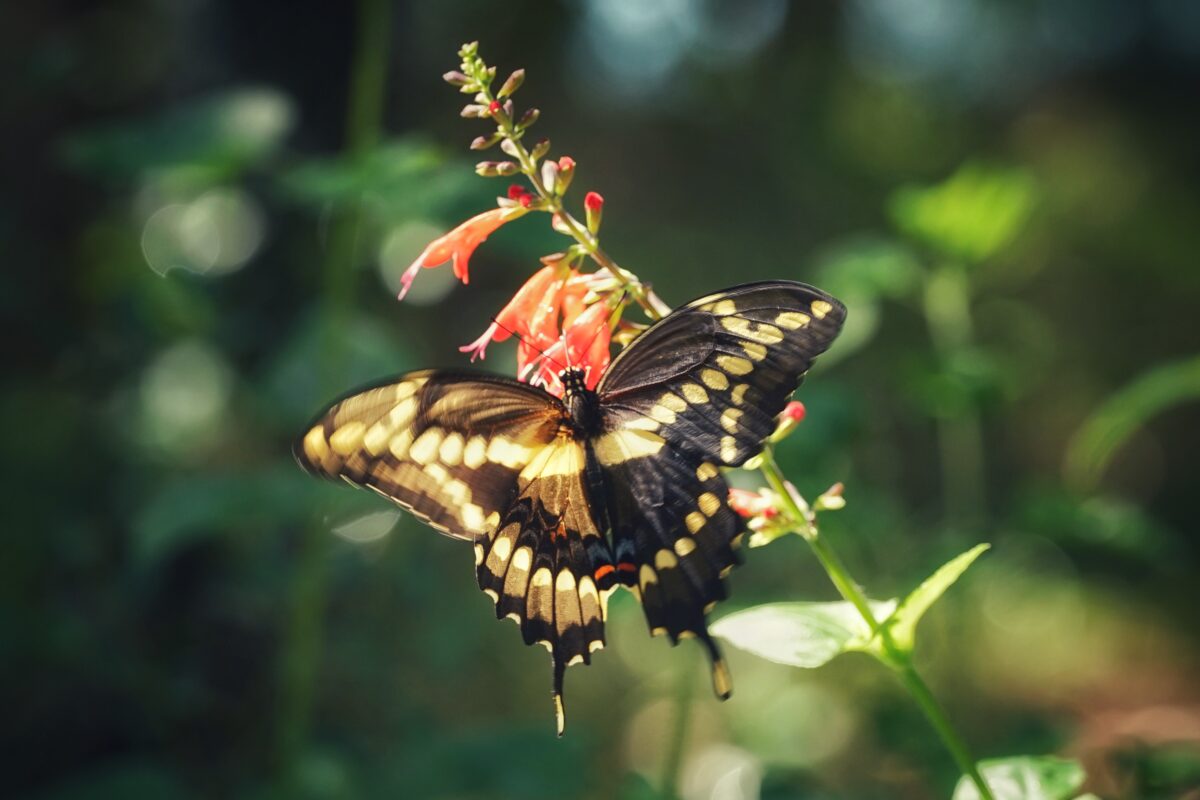
Giant swallowtail
From its wingspan to its range across the Americas — and even its appetite for oranges — everything about the Giant swallowtail is just that: giant!
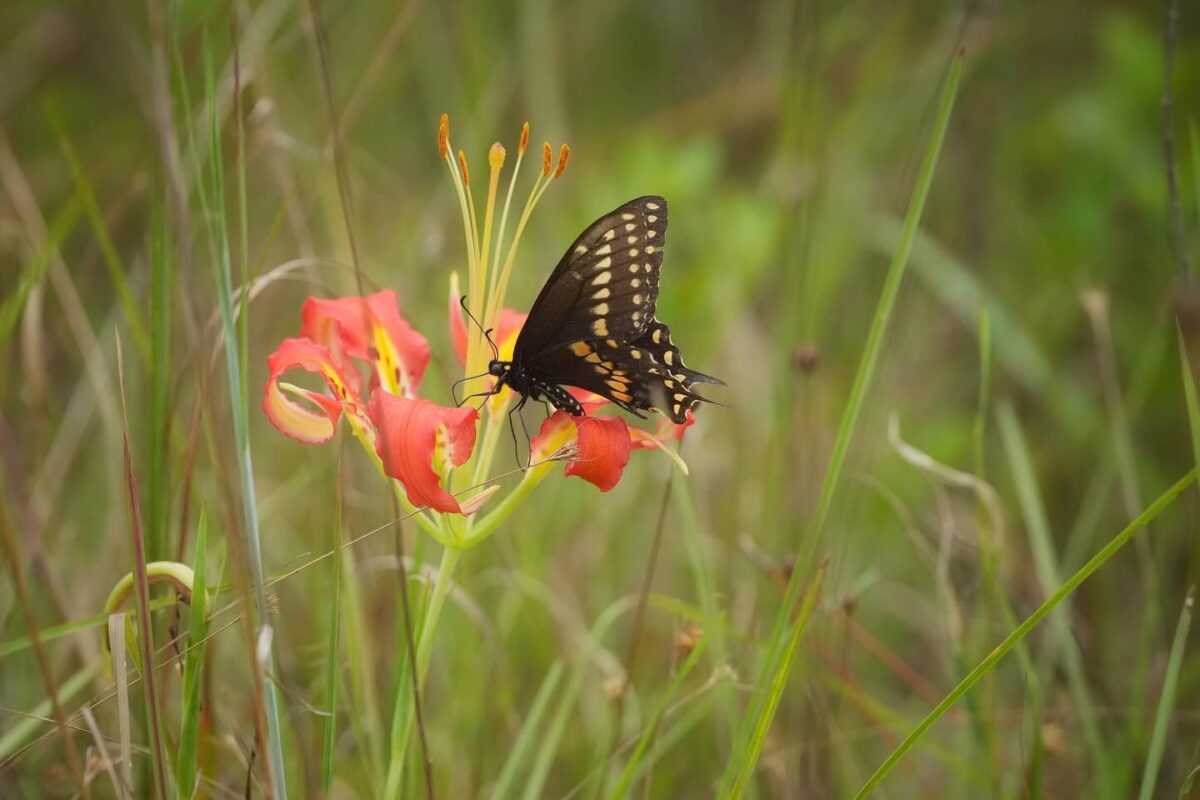
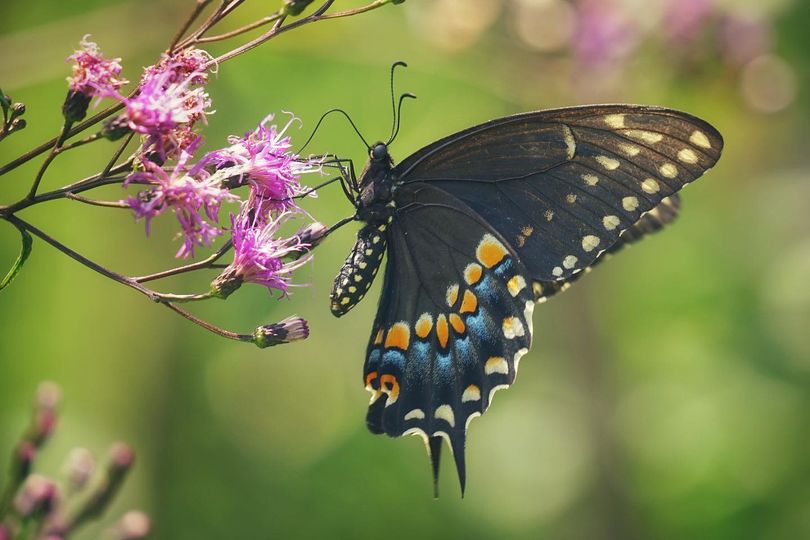
Black swallowtail
The Black swallowtail can be found year-round throughout Florida and much of North America, ranging from southern Canada to northern Mexico and as far west as Arizona.
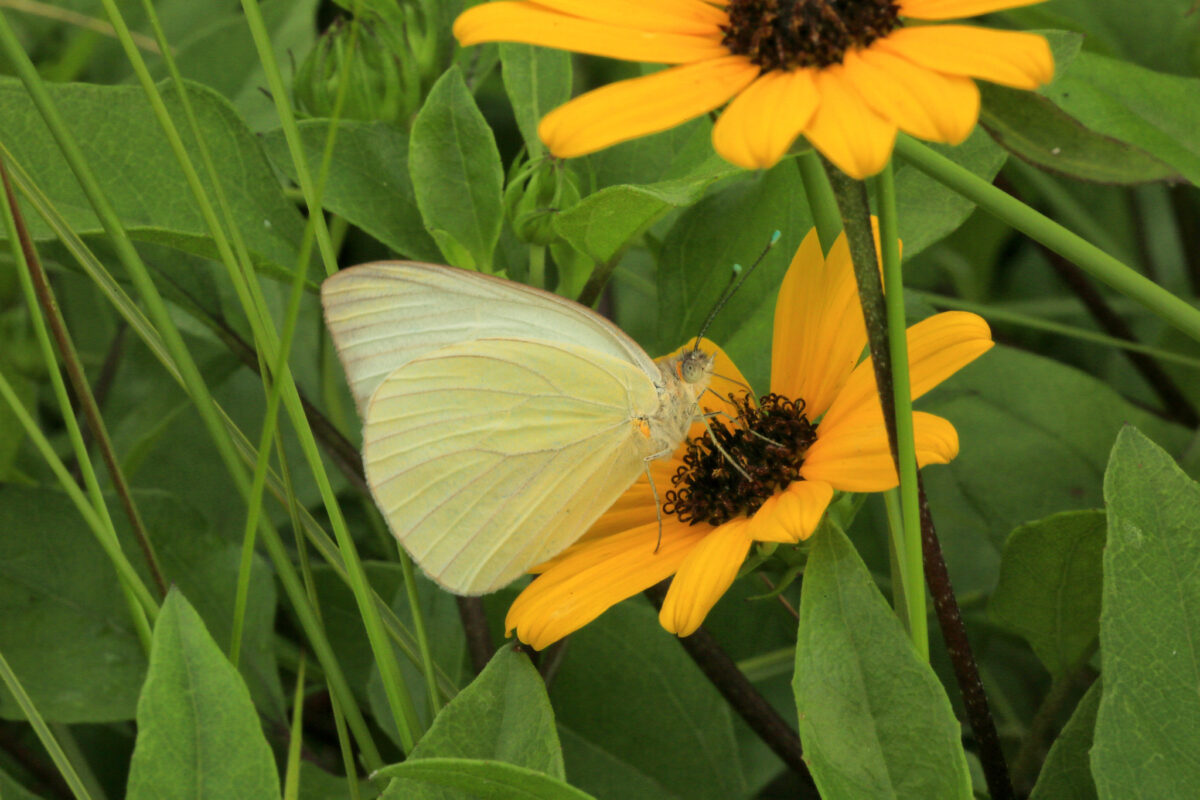
Great southern white
Like many Floridians, Great southern white butterflies love spending warm, sunny days at the beach — and some of them even get a tan in the summer!
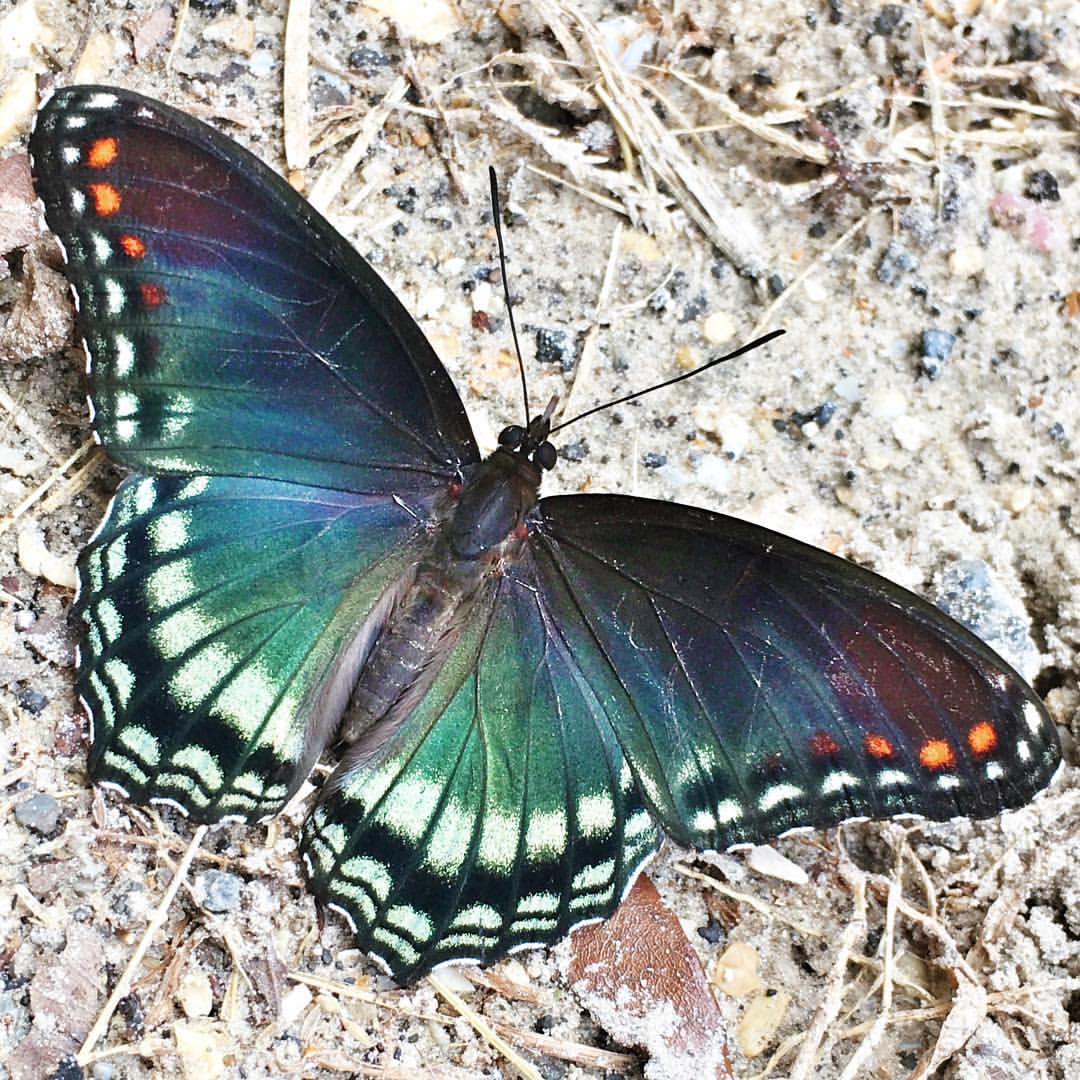
Red-spotted purple
Contrary to its name, the Red-spotted purple is neither red nor purple, but a vibrant shade of blue! This butterfly is common throughout the southeastern United States.

Monarchs and Milkweed

The beauty and amazing migratory journey of the Monarch butterfly (Danaus plexippus) has captivated the public’s interest. But threats to its survival — including habitat loss, pesticide use and frequent roadside mowing — have created concern and a desire to help. Unfortunately, some of our efforts may be causing more harm than good.

In Florida, you can support Monarch butterflies by providing fall-blooming nectar plants for migrants, planting Florida’s native milkweeds for North Florida’s spring-breeding population and South Florida’s year-round population, and advocating for reduced mowing on roadsides.
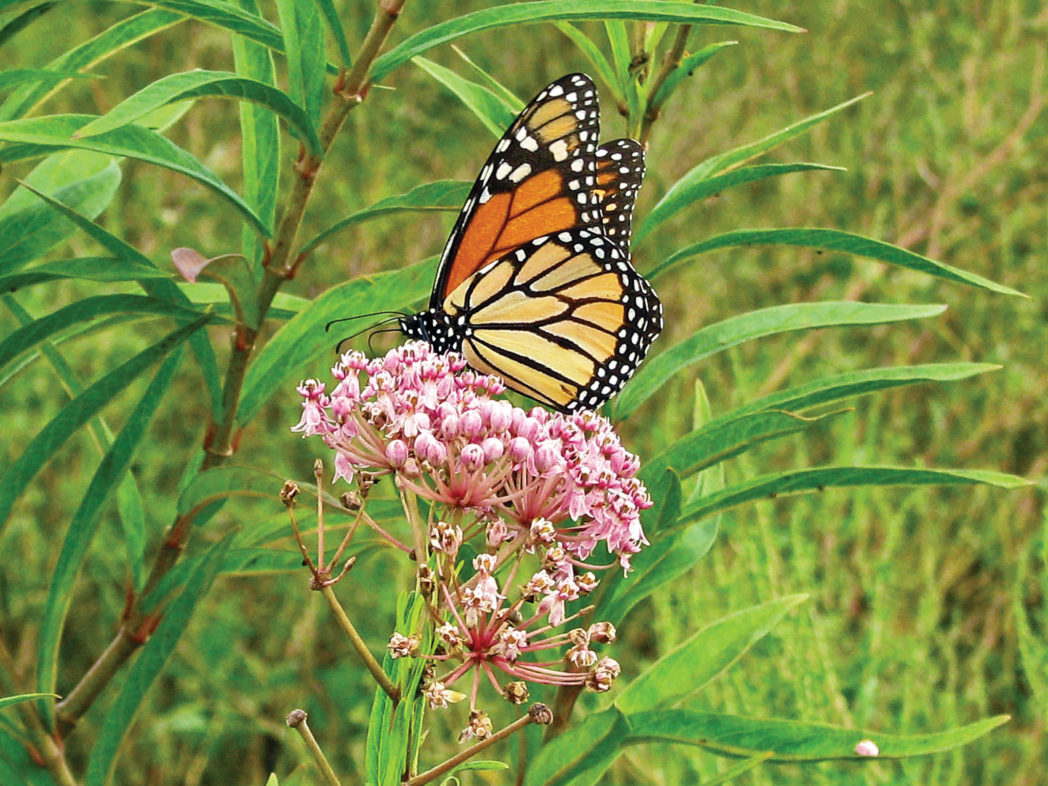
Monarch on Swamp milkweed, Asclepias incarnata
A Monarch nectars on Swamp milkweed (Asclepias incarnata).
Photo by Peg Urban

More buzz about pollinators
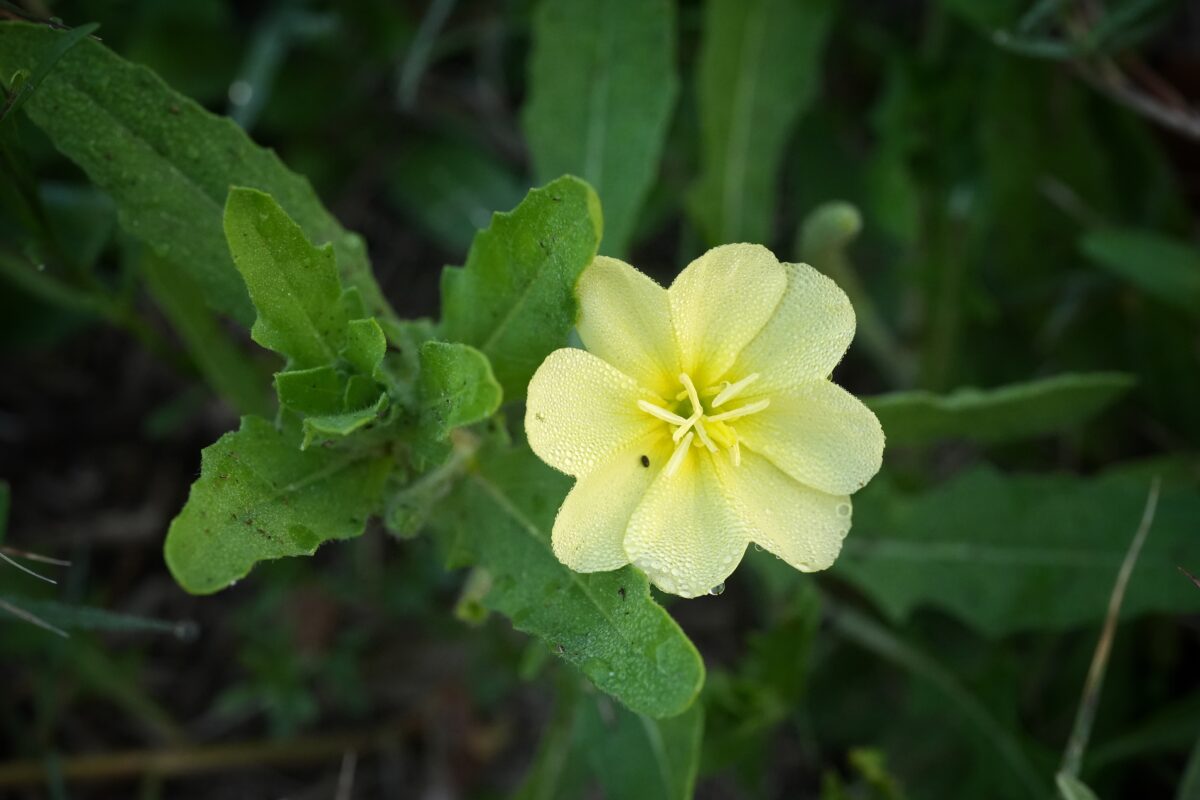
Spring “weeds” are for the bees!
While much of the country awaits No Mow May to leave the early spring wildflowers in urban areas for hungry pollinators, Florida more appropriately observes No Mow March! So before you get to work mowing or weeding, let’s look at some of the most common lawn “weeds” and learn a little more about them!
Bring on the Butterflies!
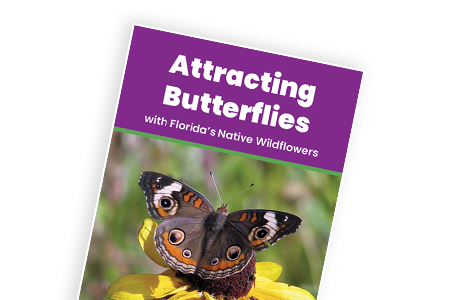
Butterflies are perhaps the most universally loved insect — their beauty and grace captivates us and their presence brings us joy. Ecologically, butterflies are also incredibly important! Learn how your gardening practices can bring on and support a wide diversity of butterflies.
WEBINAR — Florida’s Native Bees in Winter
Laura Langlois Zurro, founder of the Florida Native Bees Facebook group, takes us on a photographic journey of some of the bees that can be observed in Florida between November and March, as well as the plants they need to survive.

Resources for attracting pollinators

  • Attracting Bees
    You can help provide food and habitat for Florida’s native bees and other beneficial insects by landscaping with native wildflowers. Versión en español disponible.
    Read more Attracting Bees
  • Attracting Birds
    Bring birds into your landscape by planting Florida native wildflowers, grasses and shrubs that provide food and habitat. Learn more now. Versión en español disponible.
    Read more Attracting Birds
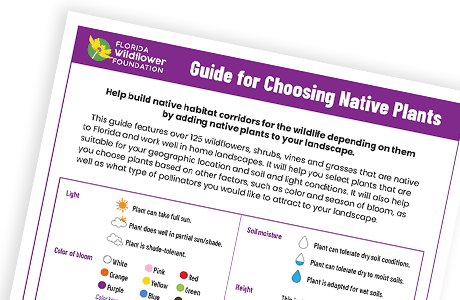
  • Plant selection guide
    This guide includes over 120 Florida native wildflowers, shrubs, vines and grasses that work well in home landscapes. It will help you choose plants based on your location, soil and light conditions, color and season of bloom, and pollinator use. Versión en español disponible.
    Read more Plant selection guide
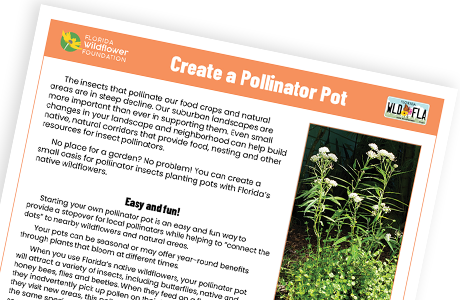
  • Create a Pollinator Pot
    The insects that pollinate our food crops and natural areas are in steep decline. Our suburban landscapes are more important than ever in supporting them. No place for a garden? No problem! Our new video and handout can help you create a small pollinator oasis in a pot! Versión en español disponible.
    Read more Create a Pollinator Pot