News
Latest from us
Join the campaign!
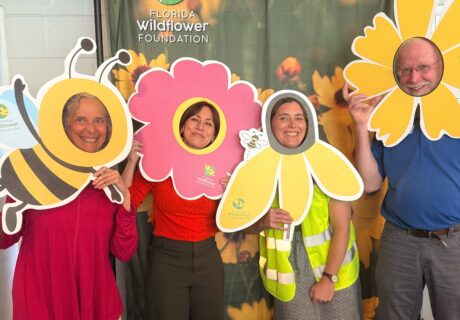
This year marks a major milestone for the Foundation: 25 years of advocating for Florida’s native wildflowers. To honor that legacy — and to look boldly toward what comes next — we’re having a year-long celebration built around community, storytelling and impact.
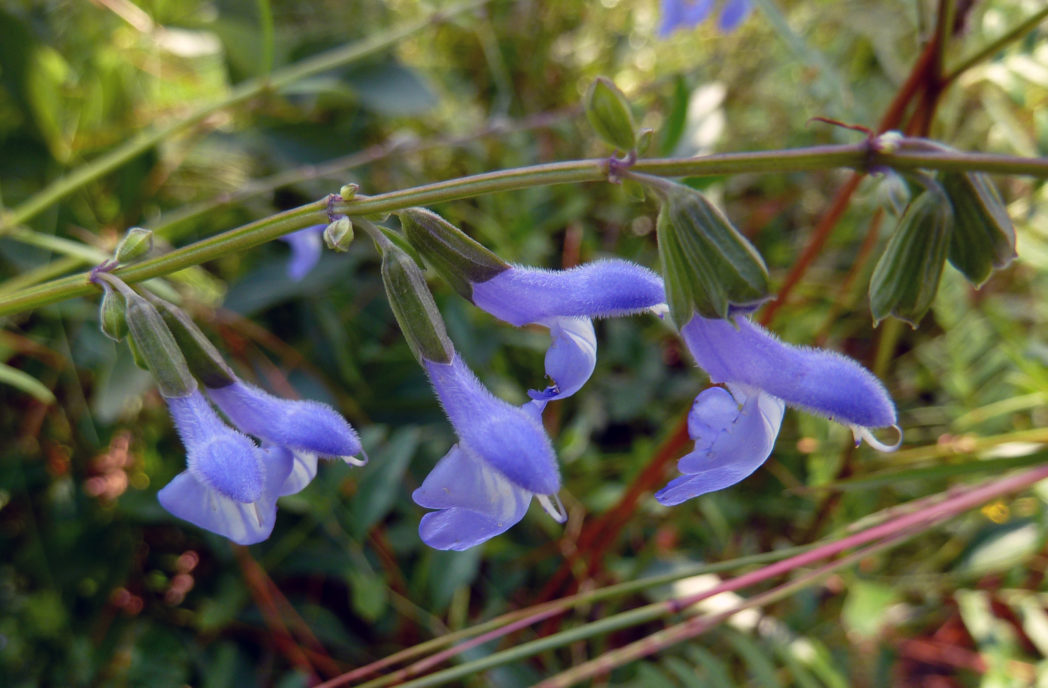
Azure blue sage
Azure blue sage (Salvia azurea) occurs naturally in flatwoods and sandhills. Its striking cerulean flowers bloom August through November, attracting a variety of bees, butterflies and even hummingbirds.
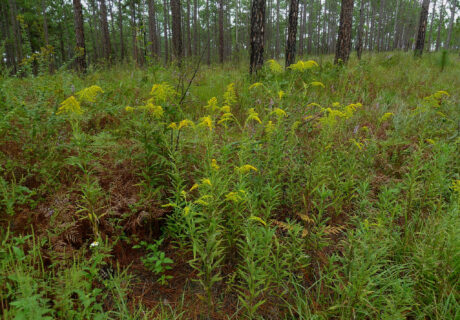
Tall goldenrod
Tall goldenrod’s (Solidago altissima) impressive display of golden flowers from late summer through fall attracts numerous pollinators, including butterflies, bees and beetles. Soldier beetles are especially attracted to the nectar-rich blooms.
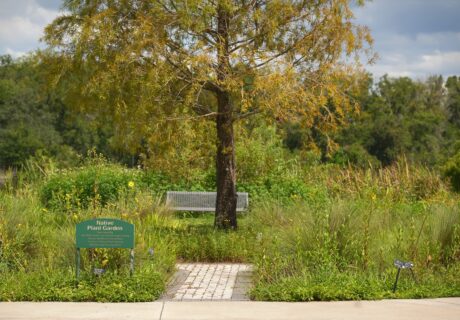
Garden Spotlight: Carrollwood Pollinator Corridor
What began as a single Viva Florida garden in Carrollwood has grown into a connected system of habitat sites, demonstrating that when native plantings are designed with pollinators in mind, they can create pathways that sustain life.
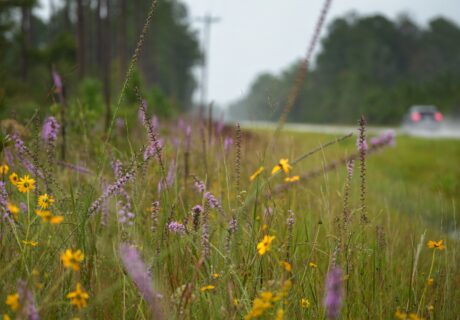
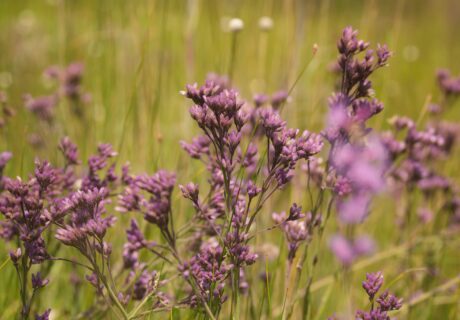
Bloom Report: Let’s talk taxonomy!
This bloom report reviews some of the latest taxonomic changes to Florida’s fall-blooming wildflowers and grasses. A prominent example of which is the splitting of the genus Carphephorus into two additional genera, Trilisa and Litrisa .
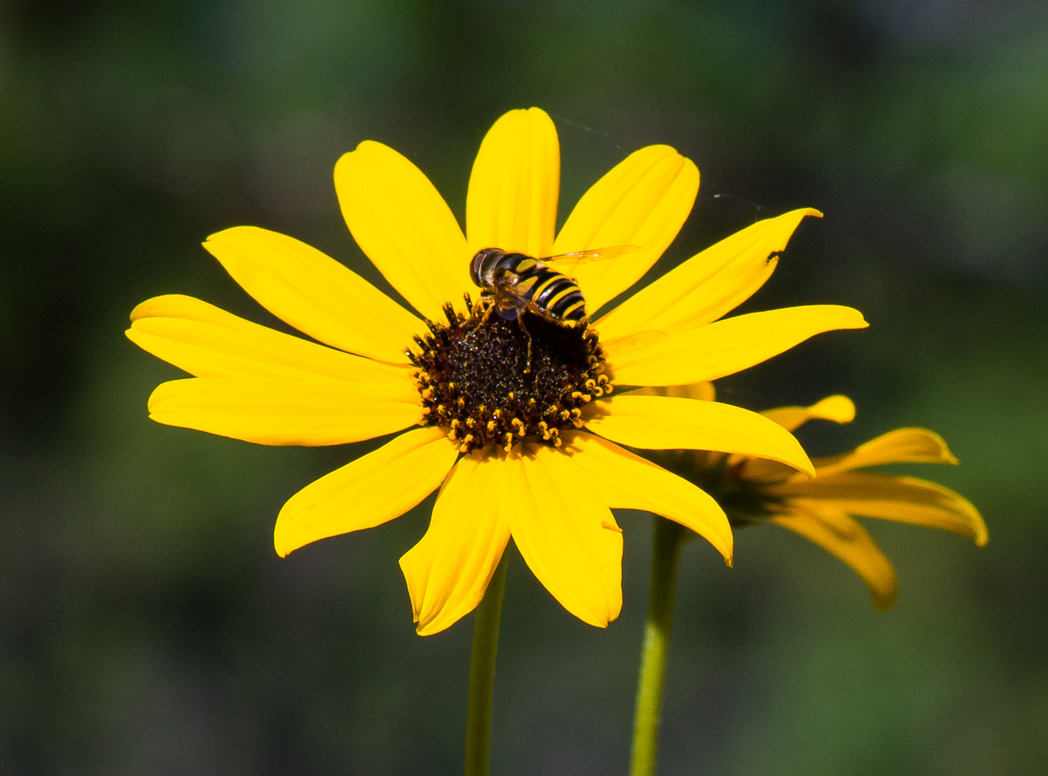
Narrowleaf sunflower
Narrowleaf sunflower (Helianthus angustifolius) is one of Florida’s most common native sunflowers. In nature, it forms dense colonies, resulting in spectacular swaths of sunshine yellow when in bloom.
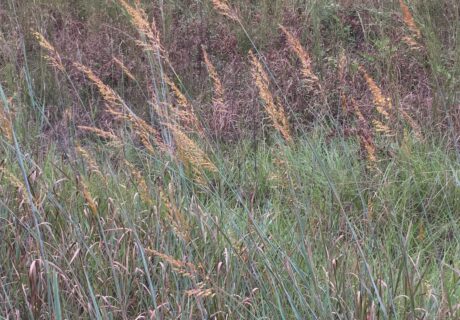
Yellow indiangrass
Yellow indiangrass (Sorghastrum nutans) is a hardy bunchgrass that occurs naturally in flatwoods and sandhills. Its tall, late summer to fall flowers add a beautiful yellow-gold color to the landscape.
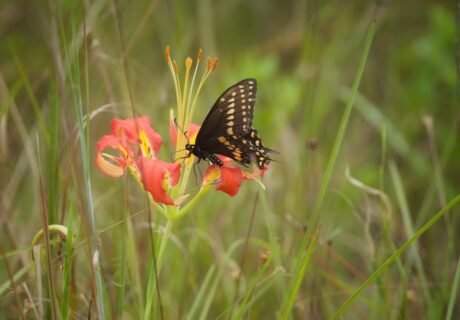
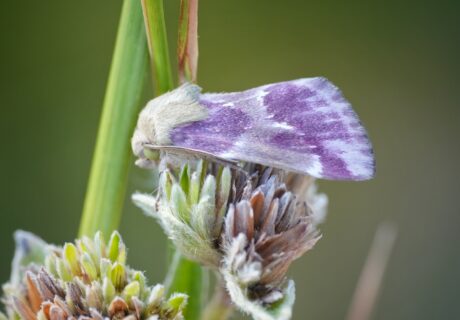
Bleeding flower moth
The Bleeding flower moth (Schinia sanguinea) gets its name from the distinctive pink markings on its forewings, which resemble a stained flower petal. This species relies on blazing stars (Liatris spp.) as its host plant.
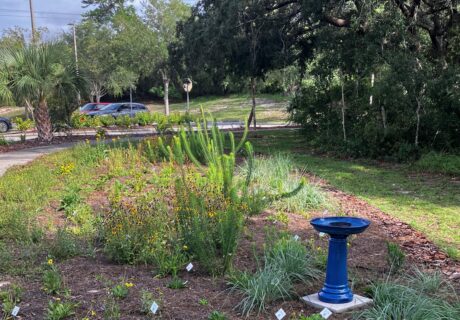
Garden Spotlight: Deltona Regional Library
The Deltona Regional Library is uniquely situated alongside the Lyonia Preserve and Environmental Center. Its newest garden — a wildflower meadow near its main entrance — joins a growing series of native plant gardens around the building complex.
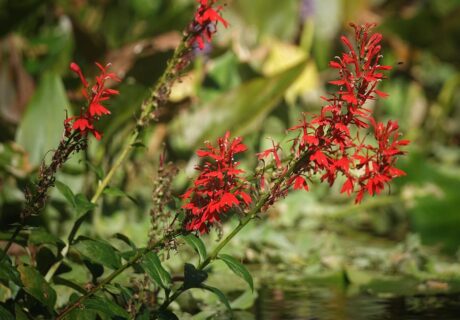
Cardinalflower
Cardinalflower (Lobelia cardinalis) is an aquatic wildflower with erect spikes of brilliant red blooms that attract hummingbirds, butterflies and bees.
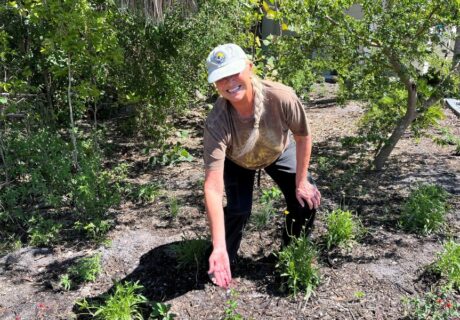
WEBINAR – Fragrant Native Plants for Your Yard
Advanced Master Naturalist Barb J. Wyskowski presents our webinar “Fragrant Native Plants for Your Yard.”
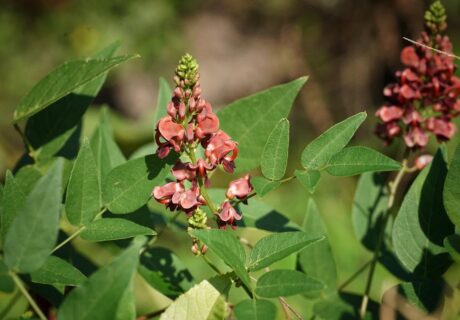
Groundnut
Groundnut (Apios americana) is an herbaceous vine found along the edges of floodplain forests, wet hammocks, lakes or streams, and in wet, disturbed areas throughout much of the state.
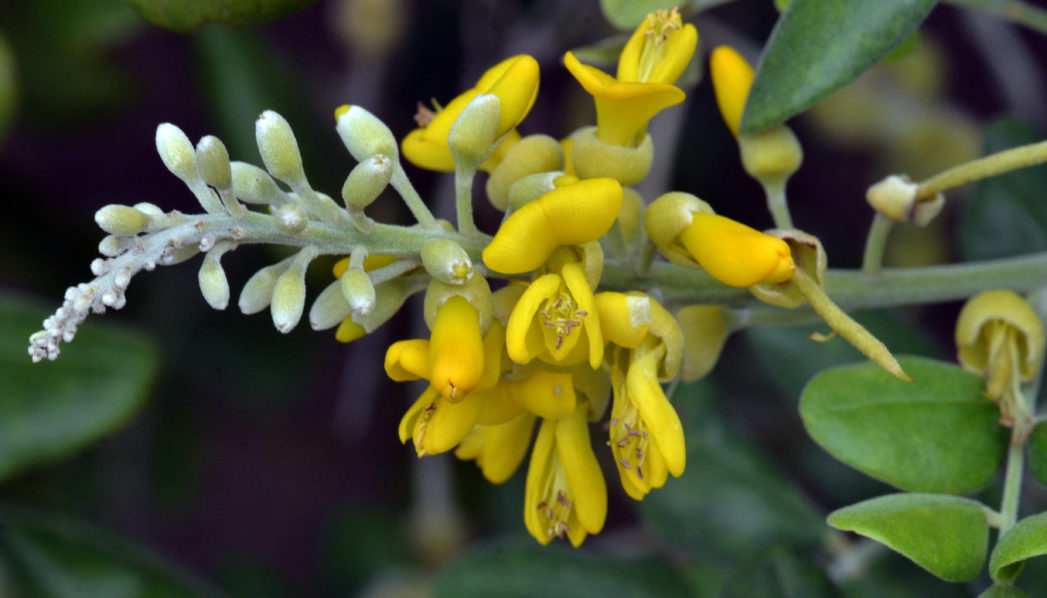
Yellow necklacepod
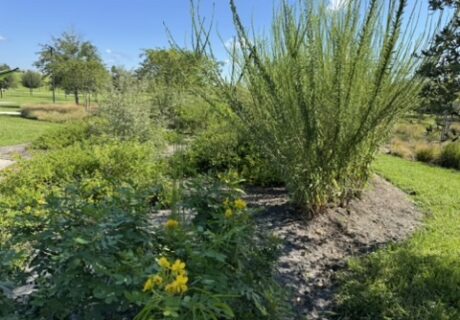
Yellow necklacepod (Sophora tomentosa var. truncata) is a long-lived flowering shrub that occurs naturally in coastal strands, hammocks and dunes throughout Central and South Florida.
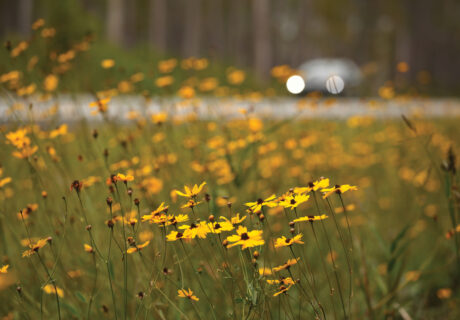
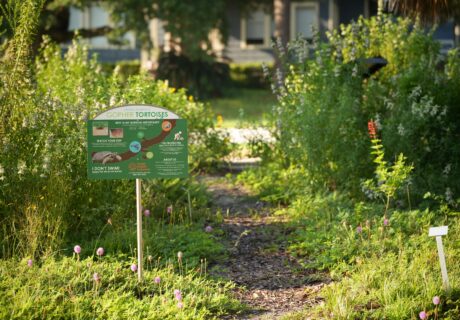
25 Years of Planting
For 25 years, we have been committed to planting wildflowers in urban landscapes — and helping others do the same. These gardens bring beauty to our communities while providing critical resources for pollinators and creating habitat corridors through fragmented landscapes.
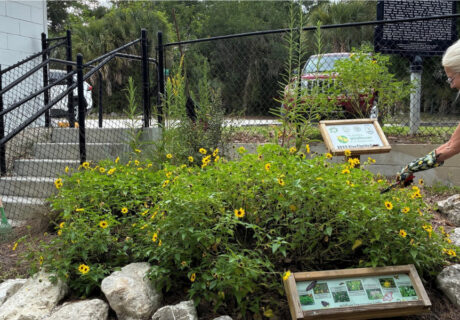
Garden Spotlight: Roseland Community Center Park
Roseland Women’s Club is proving that you can make a big impact in a small space with their Viva Florida Landscape Demonstration Garden in Roseland Community Center Park.
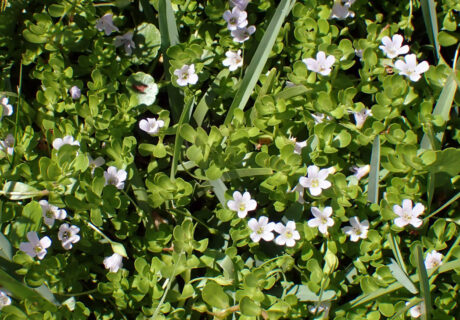
Herb-of-grace
Herb-of-grace (Bacopa monnieri) is a creeping, mat-forming perennial. Its flowers attract a variety of small pollinators, and it is a larval host plant for the White peacock butterfly.
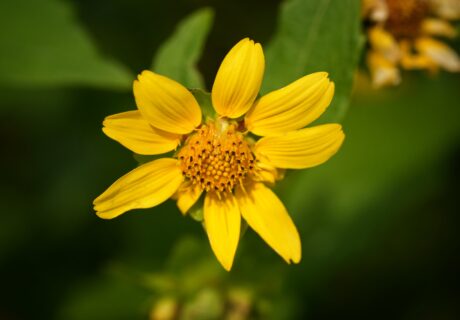
Hairy leafcup
Hairy leafcup (Smallanthus uvedalia) blooms in summer and attracts a variety of bees and other pollinators. It occurs naturally in hardwood and slope forests, upland mixed woodlands, and moist hammocks.
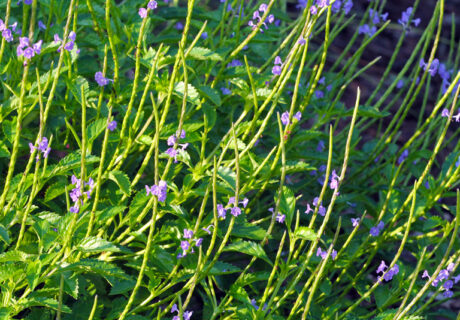
Blue porterweed
Blue porterweed (Stachytarpheta jamaicensis) is an excellent addition to a butterfly garden. It is a host plant for the Tropical buckeye and a nectar source for many other butterfly species.
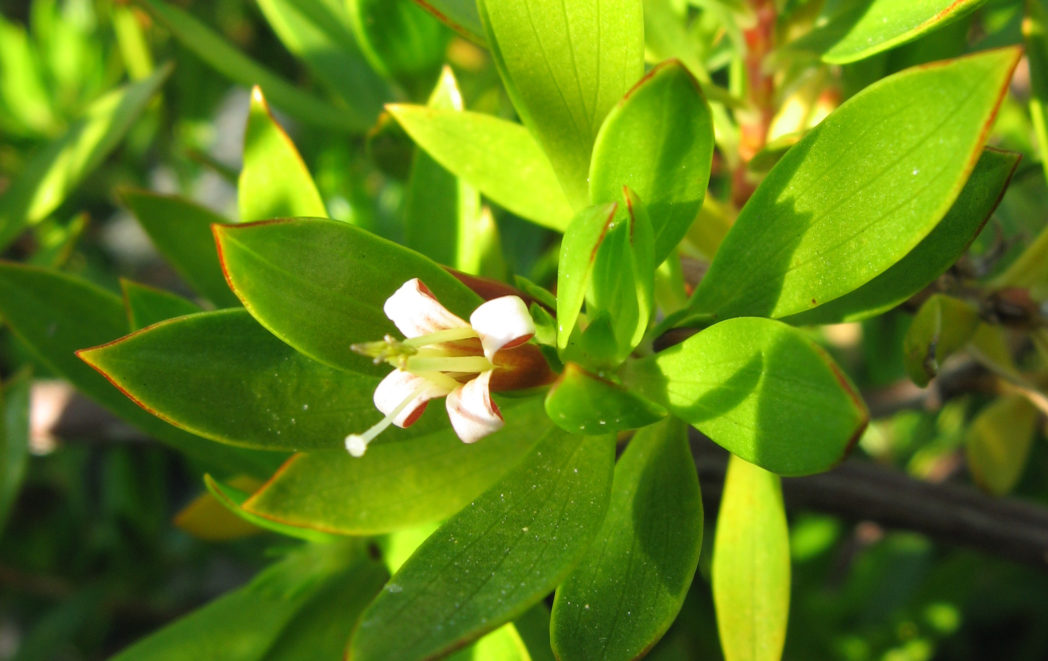
Beach creeper
Beach creeper (Ernodea littoralis) is an evergreen low-growing, mat-forming shrub found on dunes, beaches and coastal hammock edges throughout Central and South Florida.
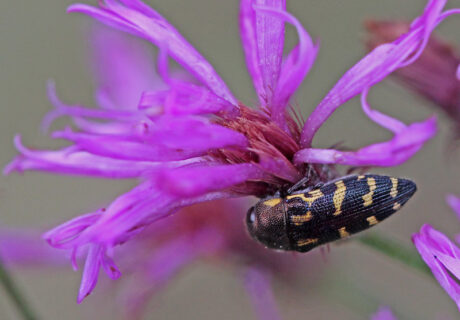
Tall ironweed
Tall ironweed (Vernonia angustifolia) is a robust perennial wildflower that blooms in summer and fall, attracting a variety of pollinators, especially butterflies.