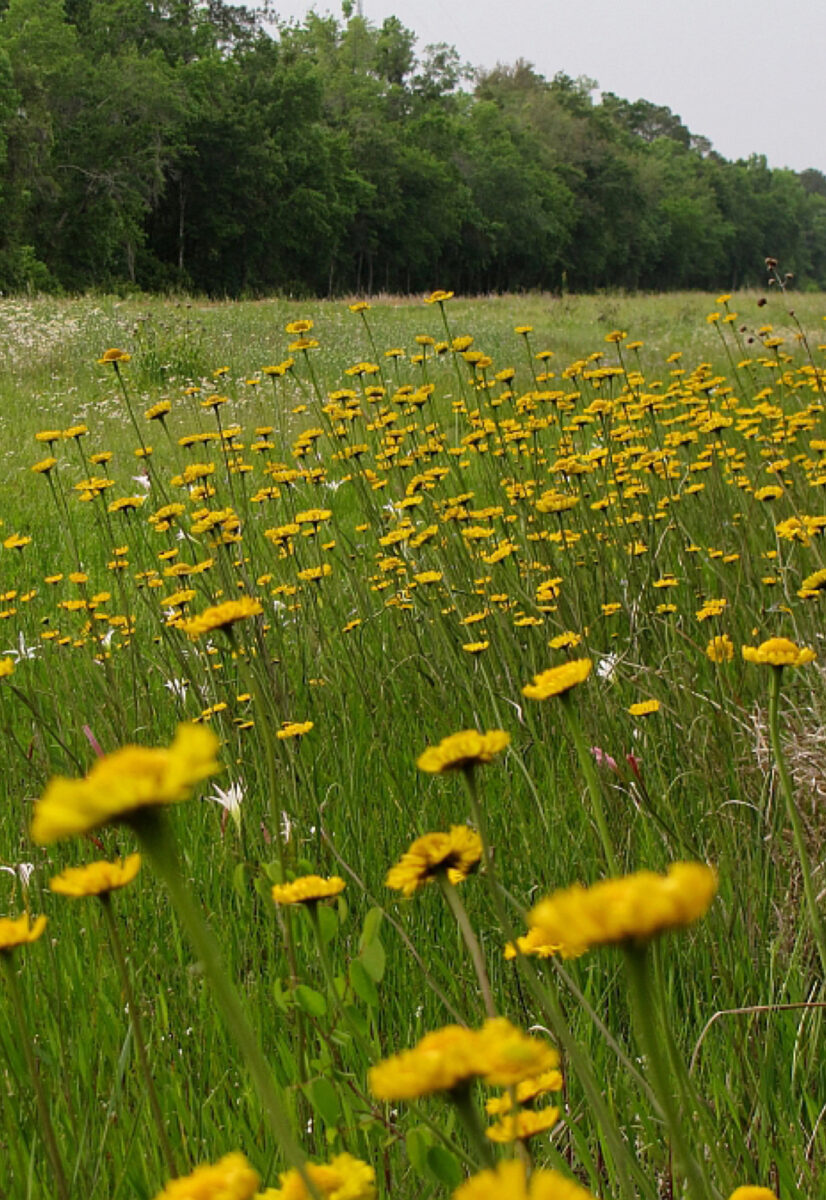
Native Wildflower Habitat
Protected through education, conservation, planting and research.
Upcoming Events
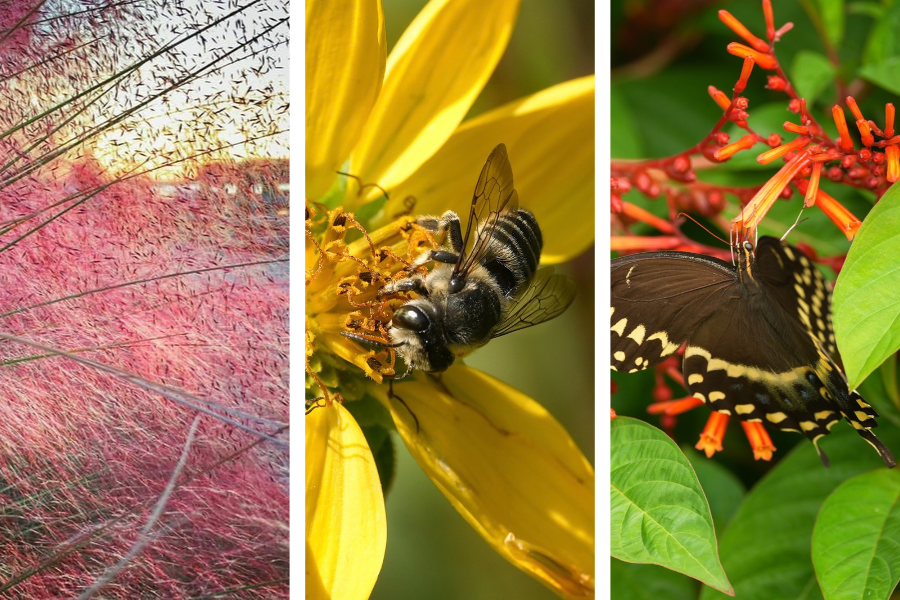
EVENT – Native Plant Giveaway & Sale
Join us at Estero RiverPark in Lee County on Saturday, November 7 for a Native Plant Giveaway also featuring native plant vendors and educational opportunities!
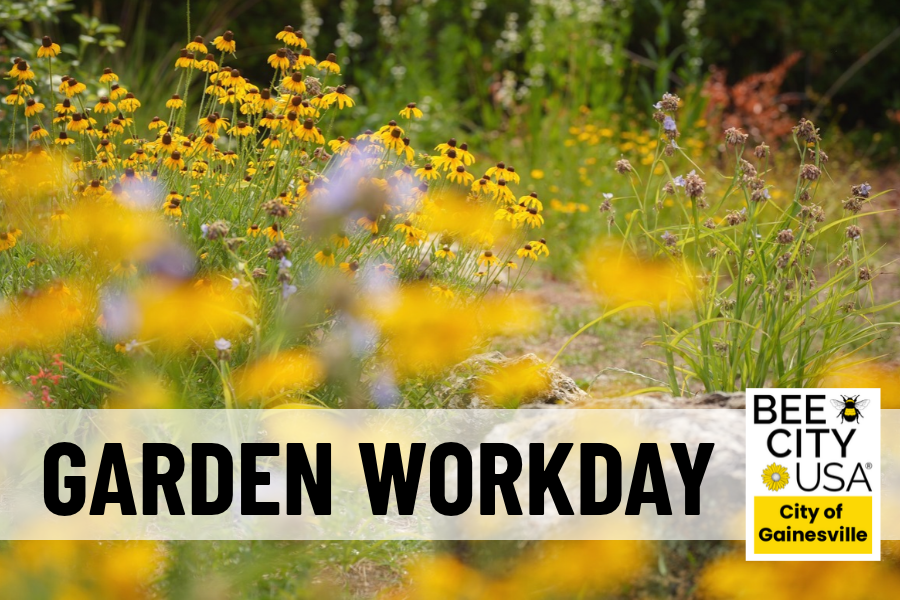
EVENT – Garden Workday at Tom Petty Park Native Plant Garden
November 19: Join us to keep our Bee City Gainesville Gardens buzzing! For our third in this monthly series, we will gather at the Tom Petty Park Native Plant Garden to show it some love.
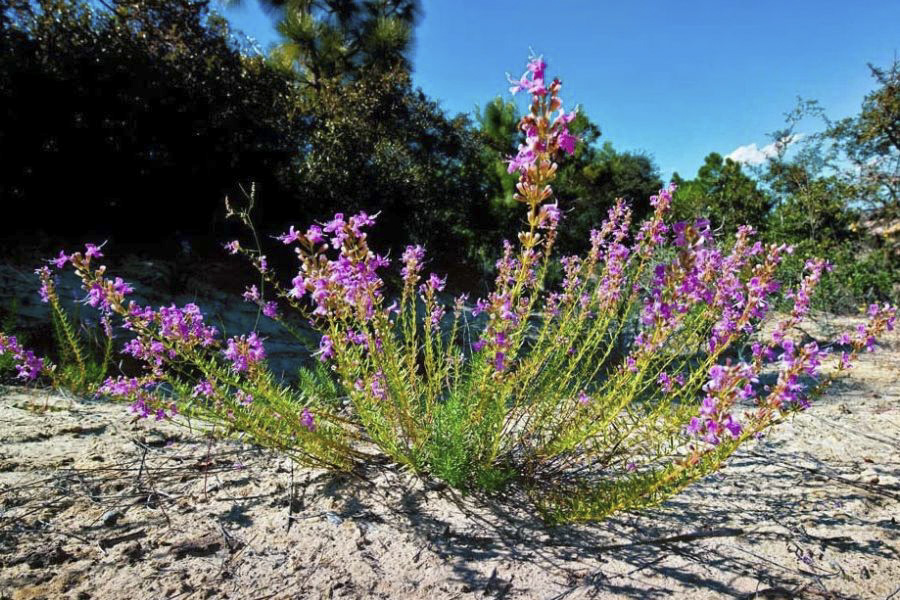
FIELD TRIP – Dicerandra Scrub Sanctuary and Enchanted Forest Sanctuary
Join us on November 19 for a fall field trip to Dicerandra Scrub Sanctuary and Enchanted Forest Sanctuary in Titusville!
The Latest News
Join the campaign!
This year marks a major milestone for the Foundation: 25 years of advocating for Florida’s native wildflowers. To honor that legacy — and to look boldly toward what comes next — we’re having a year-long celebration built around community, storytelling and impact.
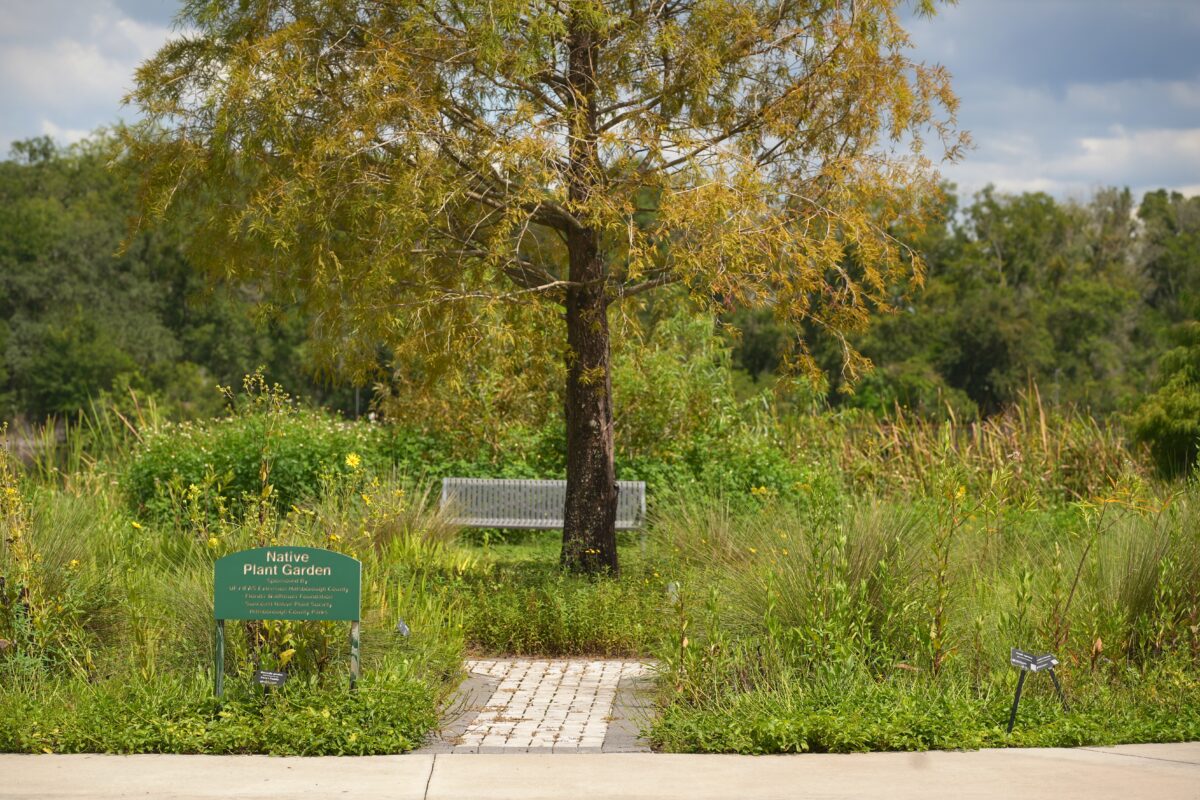
Garden Spotlight: Carrollwood Pollinator Corridor
What began as a single Viva Florida garden in Carrollwood has grown into a connected system of habitat sites, demonstrating that when native plantings are designed with pollinators in mind, they can create pathways that sustain life.
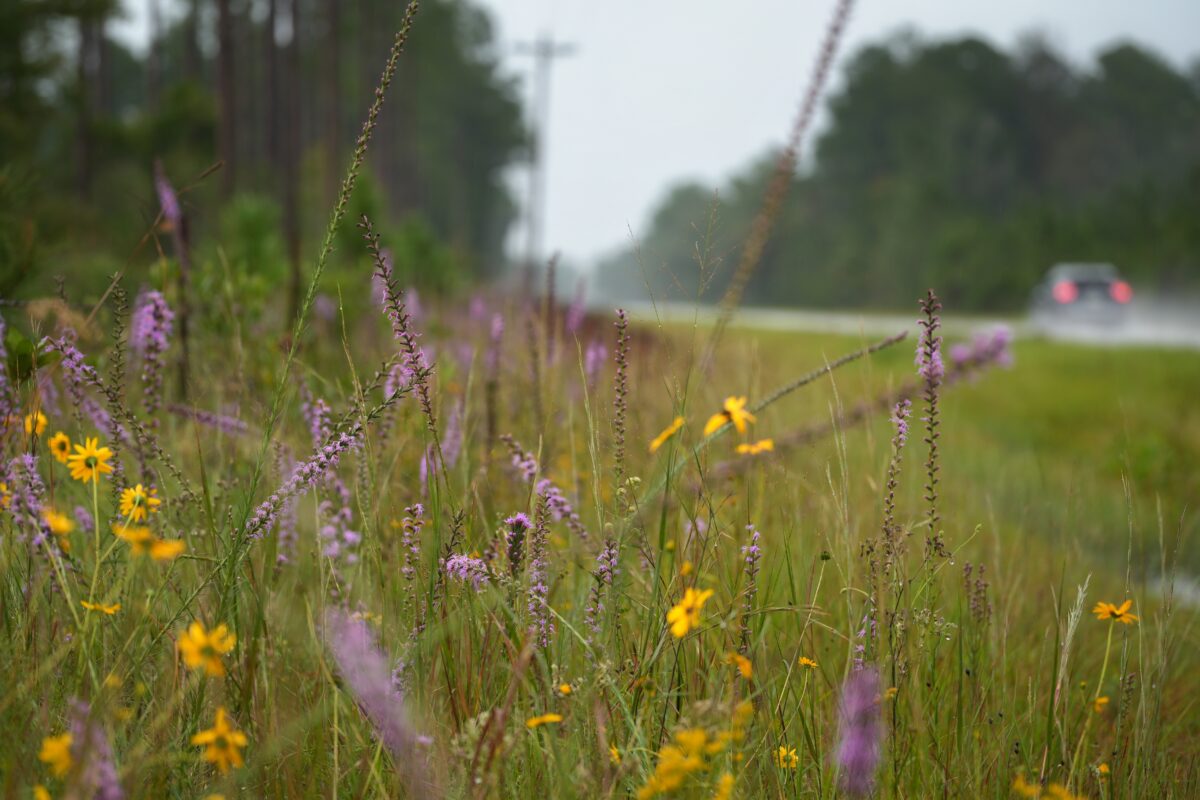
25 Years of Conservation
At the heart of everything we do is an ethos of conservation — ensuring Florida’s native wildflowers always have spaces in which to thrive, supporting wildlife and communities alike.
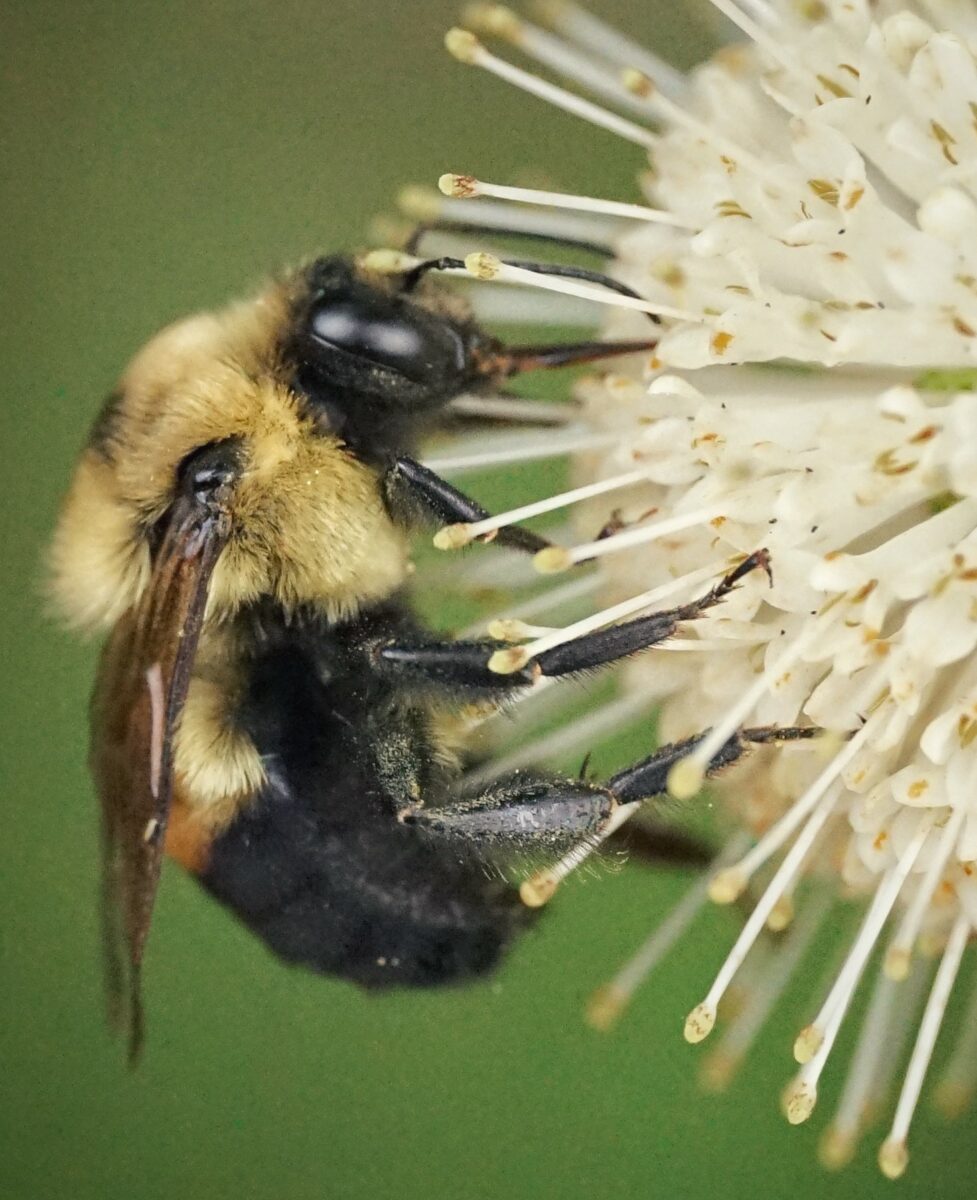
Why plant native?
YOU can help stem the tide of global insect decline and create habitat and pathways for birds and other wildlife!
Incorporating regionally appropriate native plants into our home landscapes and other urban areas supports local biodiversity, reduces the need for fertilizers, pesticides and herbicides, and conserves water resources, all while providing food and shelter for local wildlife.
See what’s in bloom
Explore
See how Florida’s fabulous wildflowers change seasonably across the state. You’ll find just what you need to be a wildflower tourist, whether you’re on the road or a virtual explorer.
Featured Flower Profile
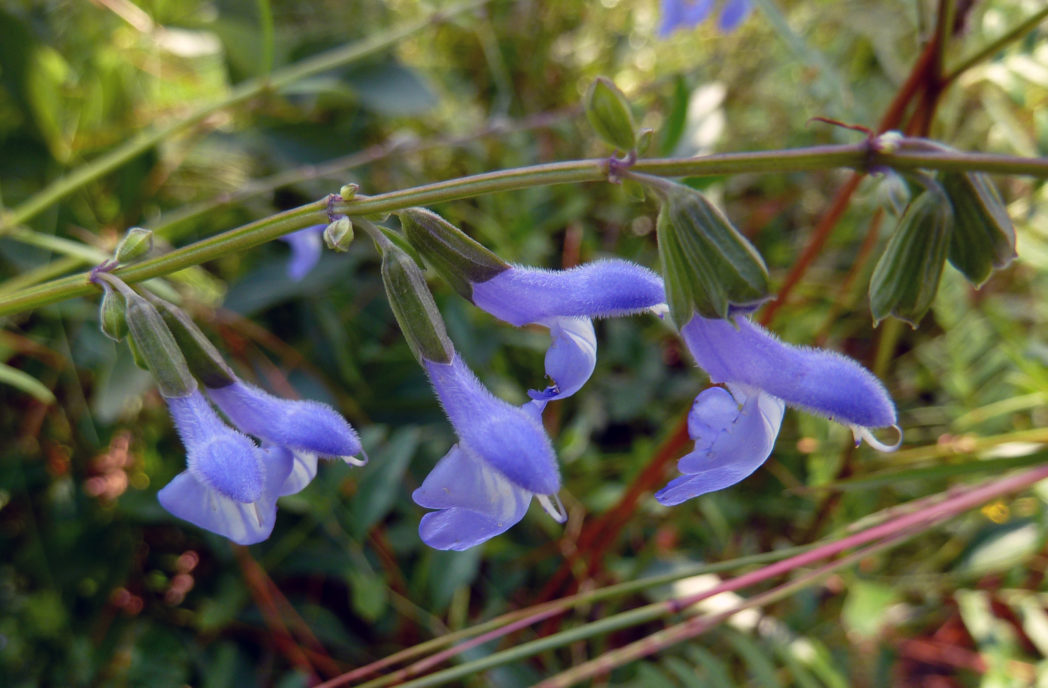
Azure blue sage
Azure blue sage (Salvia azurea) occurs naturally in flatwoods and sandhills. Its striking cerulean flowers bloom August through November, attracting a variety of bees, butterflies and even hummingbirds.